Deltavox
The demand for high-speed data transmission continues to surge globally. In this context, the 100G optical transceiver has emerged as a critical component for various sectors. Renowned expert Dr. Elena Rivers, an authority in optical networking, states, “The evolution of 100G optical transceivers is revolutionizing how we communicate.” This statement encapsulates the transformative impact these devices have on data centers and telecommunications.
100G optical transceivers offer numerous advantages that attract global buyers. Their ability to transmit data at 100 gigabits per second is unmatched. This speed enhances connectivity and supports growing bandwidth demands. Moreover, these transceivers come with improved energy efficiency, reducing operational costs in the long run. As industries increasingly rely on cloud computing and big data, 100G optics are becoming indispensable.
However, while the benefits are significant, potential users must navigate challenges such as integration complexities and costs. Buyers should assess compatibility with existing infrastructure diligently. Investing in 100G optical transceivers represents a substantial commitment. Yet, the long-term advantages often outweigh the initial hurdles. Understanding these factors is crucial for informed decision-making.
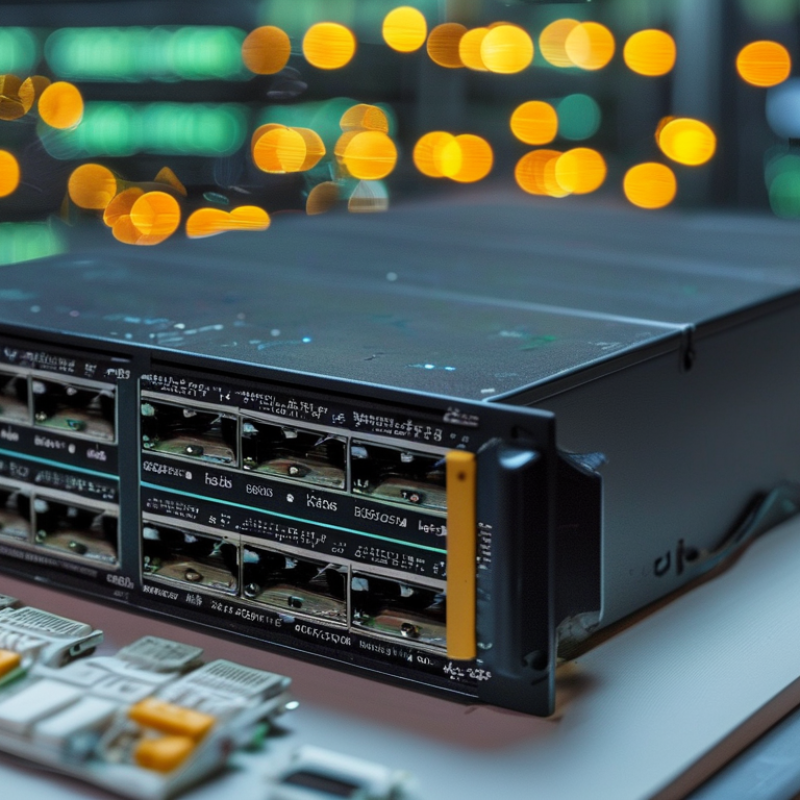
Understanding 100G optical transceivers is vital for modern network infrastructure. These devices enhance data transmission speeds. They support bandwidth-intensive applications like cloud services and video streaming. In an era where data is crucial, having a robust transceiver is essential.
100G optical transceivers offer several advantages. For instance, they enable high-speed data communication over long distances. This capability is pivotal for enterprises expanding their global operations. Additionally, they consume less power compared to older transceiver models. However, integrating these devices can be challenging. Skilled personnel are necessary for installation and configuration.
The technology is still evolving. As demands grow, new features may emerge. Buyers should consider future-proofing their investments. Understanding the specifications and potential limitations is crucial. Balancing performance with cost is another aspect to reflect on. It's clear that 100G optical transceivers are shaping the future of networking.
The rapid growth of data demands has propelled the adoption of 100G optical transceivers in global connectivity networks. These transceivers enable higher bandwidth, facilitating faster data transfers. Industry reports project that the global optical transceiver market will reach $6.55 billion by 2026, reflecting a 28% growth. This surge emphasizes the importance of 100G technology for handling increasing internet traffic.
Higher data rates lead to improved efficiency in data centers. With 100G optical transceivers, companies can shift to long-distance data transmission. They reduce the need for multiple transceivers, lowering costs. A single 100G optical link can replace multiple 10G links. This not only simplifies network design but also enhances reliability and power efficiency.
The demand for higher network performance continues to rise. 100G optical transceivers offer a powerful solution. They significantly enhance data transmission speeds, making them ideal for data centers and enterprises. These devices can manage vast amounts of data with minimal latency. This improvement in speed allows businesses to operate more efficiently.
Incorporating 100G optical transceivers also improves network reliability. These components are designed to minimize disruptions. This reliability is crucial for industries that depend on continuous data flow. However, users may face challenges when implementing these technologies. Proper training and adaptation are necessary for optimal use. Network managers should be prepared for a learning curve.
However, scalability remains a point of reflection. 100G systems can sometimes require substantial investment. The initial financial commitment may deter some organizations. Nevertheless, the long-term gains often outweigh these costs. Users need to consider their specific needs before making a switch. Adapting to new technologies is a process that requires careful planning and execution.
The cost-effectiveness of 100G optical transceivers has gained attention in recent years. Many businesses are finding them valuable. According to industry reports, companies can reduce operational costs by up to 30% when upgrading to 100G technology. This is significant, particularly for data centers with growing bandwidth demands.
Moreover, 100G optical transceivers enhance data transfer efficiency. Research shows that these devices can handle up to 100 gigabits per second, reducing latency in data communication. Many organizations have reported better performance after switching. However, the initial investment can be steep, and not all companies see immediate results.
As technology advances, more companies are adopting these transceivers. Unexpectedly, some businesses have faced integration challenges. It is crucial to assess existing infrastructure before making changes. Without proper planning, the expected benefits may fall short. 적절한 전략과 협력이 필요합니다.
The evolution of 100G optical transceiver technology is shaping the future of high-speed data transmission. As global internet traffic continues to surge, these transceivers provide essential solutions for modern communication networks. Their ability to support high bandwidth with reduced latency is critical for cloud computing and data centers. Future advancements focus on enhancing portability and energy efficiency, addressing the need for sustainable technology.
Tips: Consider energy consumption when selecting transceivers. Energy-efficient options reduce operational costs and environmental impact.
Emerging trends suggest increased integration of optical technologies with AI for network optimization. The rise of 5G and IoT will drive the demand for even faster transmission rates. However, challenges remain. Ensuring compatibility with existing infrastructure can be a significant hurdle. Furthermore, the complexity of deployment may deter some buyers.
Tips: Always evaluate your current infrastructure before investing in new transceiver technology. Understanding compatibility is essential.
The rapid pace of innovation in this field opens doors for new applications. Data-intensive industries will benefit greatly from improved connectivity and performance. Nonetheless, as the industry progresses, ongoing education about these technologies is vital. Keeping abreast of changes will help users make informed decisions.
| Benefit | Description | Future Trends | Applications |
|---|---|---|---|
| High Bandwidth | Supports extensive data transfer rates, essential for cloud computing. | Transition to multi-mode fibers for improved bandwidth. | Data centers, enterprise networks. |
| Enhanced Performance | Reduced latency and increased efficiency for network operations. | Advancements in modulation formats. | Telecommunications, online services. |
| Cost-Effective | Lower operational costs per gigabit compared to lower speed transceivers. | Emergent technologies decreasing production costs. | ISPs, large enterprises. |
| Scalability | Easily scales to meet increasing bandwidth demands. | Growing integration with SDN and NFV technologies. | Smart cities, IoT applications. |
| Energy Efficiency | Lower power consumption per gigabit compared to older technologies. | Innovations in photonic devices focusing on energy consumption. | Green data centers, eco-friendly initiatives. |
| Future-Proofing | Aligns with future network demands and technology evolution. | Continued advancements in 400G and beyond. | Future networks, 5G support. |
| Reliability | High resilience and longevity in operations. | Development of higher tolerance materials. | Critical infrastructure, enterprise communication. |
| Compact Size | Smaller form factors allow for dense deployment in networks. | Trends toward integration in photonic circuits. | High-density installations, edge computing. |
| Flexibility | Supports various applications across different industries. | Growing trend towards multi-service networks. | Enterprise, healthcare, academia. |
| Improved Security | Advanced technology reduces vulnerability to attacks. | Emerging encryption technologies for data transmission. | Finance, government networks. |
: They are devices that enhance data transmission speeds and improve network performance.
They allow for efficient operations by managing large data volumes with minimal latency.
Users may encounter difficulties related to training and adapting to new systems.
Yes, the financial investment for 100G systems can be substantial, requiring careful consideration.
Energy-efficient options lower operational costs and reduce environmental impact during usage.
There’s a focus on integrating AI for network optimization and improving portability.
The process ensures better performance and connectivity in rapidly changing data environments.
Ensuring compatibility with existing systems can complicate deployment and deter investment.
Data-intensive industries will see significant improvements in connectivity and overall performance.
Staying informed about advancements helps users make better, more informed decisions.
The article "Top 10 Benefits of 100G Optical Transceivers for Global Buyers" provides a comprehensive overview of 100G optical transceivers, highlighting their crucial role in enhancing global connectivity. These advanced devices significantly improve network performance through faster data transmission and reduced latency, making them ideal for businesses looking to optimize their operational efficiency.
In addition to performance enhancements, the article examines the cost-effectiveness of 100G optical transceivers, which offer significant savings in terms of energy and infrastructure investments. As technology continues to evolve, the future trends in 100G optical transceiver applications promise even greater capabilities, ensuring that businesses stay ahead in the rapidly changing digital landscape. Overall, adopting 100G optical transceivers is a strategic move for organizations aiming to leverage cutting-edge technology for improved connectivity and growth.
