Deltavox
Deltavox
Deltavox
High-precision components built for high-performance networks, acting in synergy with CE-certified dome closures to establish bulletproof FTTx and data center environments.
Exploring the evolution of optical infrastructure protection and why certified engineering is critical to global telecom expansion.
The global telecommunications landscape is undergoing a massive transformation driven by 5G rollouts, Fiber-To-The-Home (FTTH) expansions, and ultra-scale cloud data centers. In this high-density deployment cycle, protecting delicate fiber splices from environmental hazards is paramount. Dome Fiber Closures (also known as Dome Fiber Optic Splice Closures or FOSC) act as the ultimate defensive vault for outdoor fiber connections.
These dome-shaped enclosures are engineered to resist water ingress, chemical exposure, UV degradation, and mechanical impacts. Their unique dome structure allows for efficient vertical/aerial installations, direct burial, underground manhole placement, and wall mounts. For global operators, a failure at a splice closure point translates to massive downtime, lost revenue, and complex diagnostic protocols. Consequently, the commercial demand for CE Certified Dome Fiber Closures has surged, setting the standard for reliability across European and global networks.
Semantic Insight: CE Certification (under regulations like EN 50411) ensures that passive optical distribution components meet stringent mechanical strength, sealing reliability, and environmental durability criteria necessary for 25+ year operation life cycles.
In North America and Europe, operators demand mechanical sealing mechanisms that allow tool-less re-entry for network scaling. Conversely, in rapidly growing markets in Southeast Asia and South America, cost-efficient heat-shrinkable sealing closures dominate. The ideal global manufacturer must bridge these gaps by offering highly customizable designs that support varying port configurations, splice tray capacities, and sealing styles.
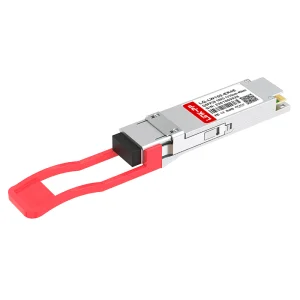
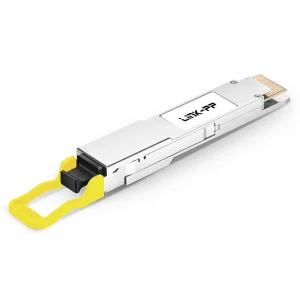
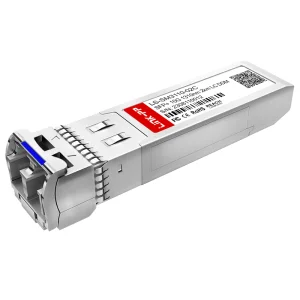
As active optical transceivers push from 10G to 400G and 800G, the underlying fiber infrastructure must maintain minimal attenuation. Any moisture intrusion or physical strain in the splice closure directly affects the performance of advanced optical engines, such as the 100G/400G transceivers deployed in high-speed distribution nodes.
CE-certified dome closures undergo rigorous dust, immersion, and cyclic temperature testing, ensuring full IP68 compliance for subterranean and marine environments.
Supporting up to 144, 288, or 576 splices using stackable, hinged trays that permit quick reconfiguration without disrupting active connections.
Configured with oval ports for mid-span cable looping and round drop ports to distribute regional FTTH connections seamlessly.
Analyzing the systemic manufacturing and engineering capabilities that position Chinese factories at the helm of global telecom hardware production.
China is home to the world's most cohesive optical communication cluster. This ecosystem integrates advanced raw polymer formulation, precision metal stamping, automated seal-ring vulcanization, and optical diagnostic laboratories within localized hubs. The manufacturing efficiency of Chinese factories is not merely defined by labor scaling, but by deep automation integration and robust material supply chains.
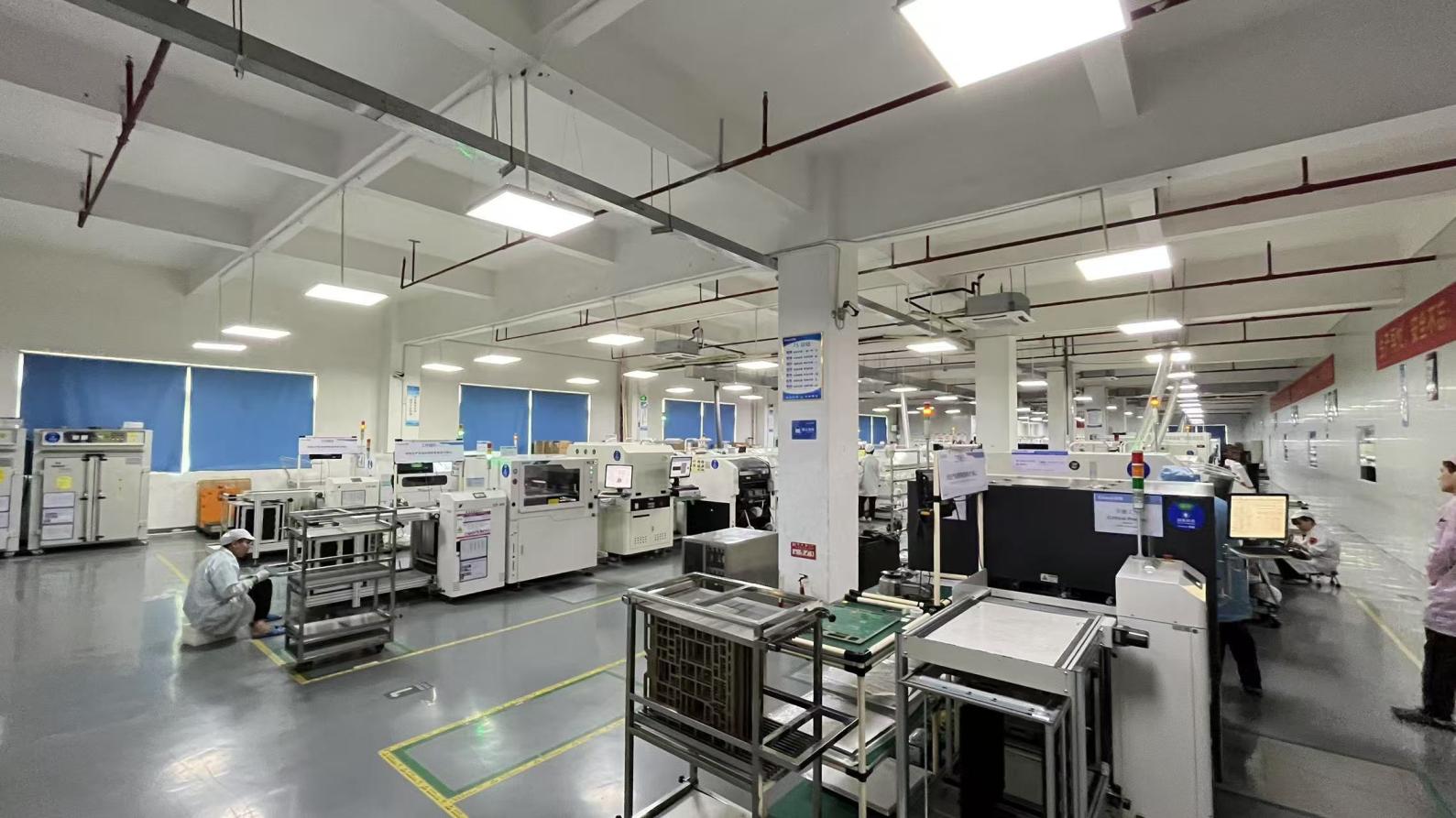
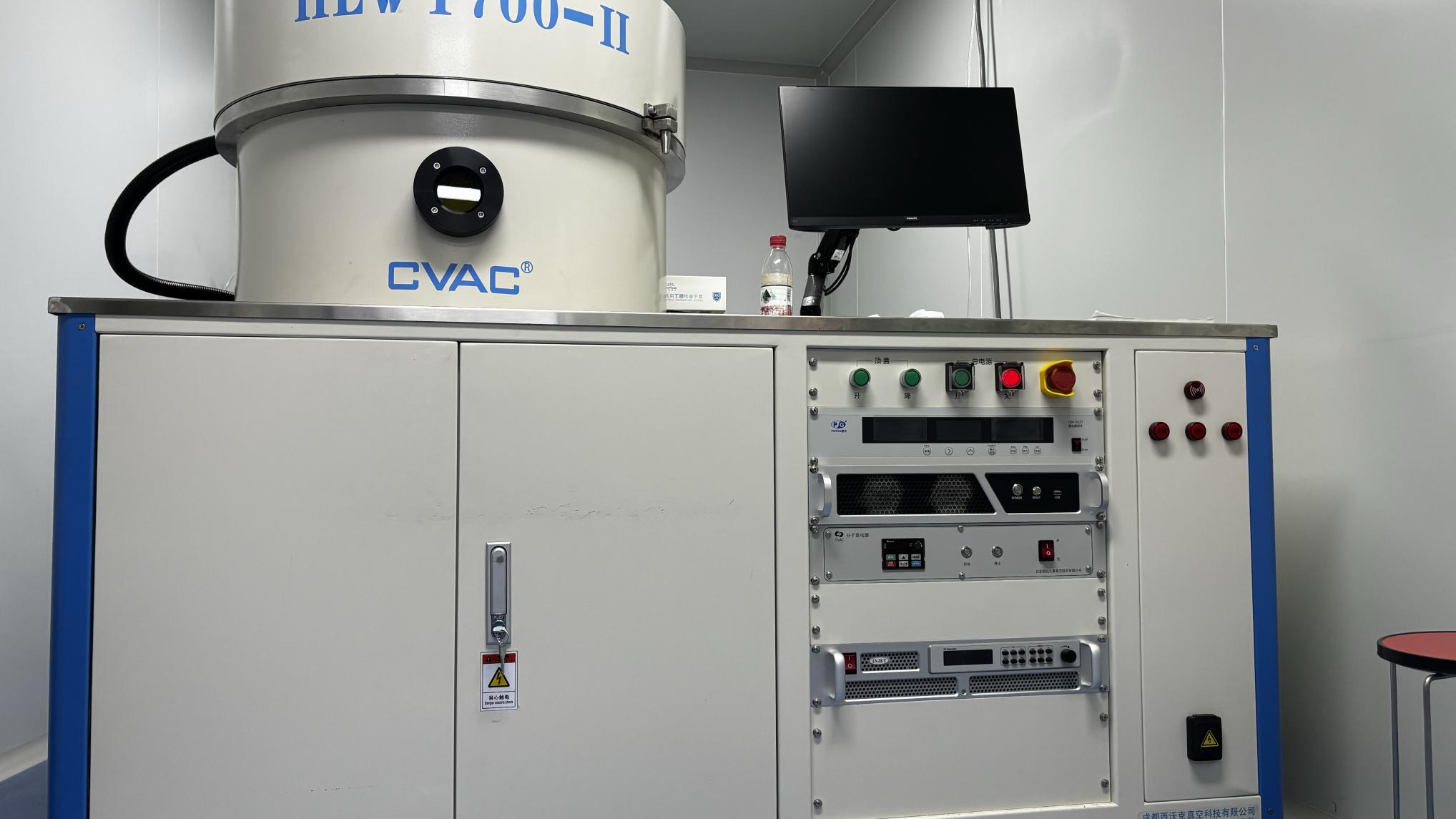
For instance, companies like Deltavox Optics Technologies Co., Ltd. leverage comprehensive production environments with significant physical footprint infrastructure. Operating from an expansive modern facility of 18,500㎡, manufacturers utilize computerized injection molding machinery to form dome closure housings from high-strength modified polypropylene (PP) or polycarbonate (PC) plastics. These materials are engineered to endure heavy impact loads, extreme weather variations, and acidic soil conditions.
Key indicators that highlight the manufacturing efficiency of Chinese optical factories include:
Dome closures must perform flawlessly under diverse geographic and climatic demands. Here are the core real-world deployment cases.
In municipal fiber trunks, closures are placed in underground handholes or water-logged manholes. The dome closure's design exploits hydrostatic pressures to reinforce the main seal ring. The continuous water immersion requires IP68 sealing mechanisms capable of resisting cyclic soil chemistry, mold growth, and high water columns.
Suspended on overhead steel messenger wires, aerial dome closures face the brunt of high-velocity winds, temperature extremes (-40°C to +65°C), and intense solar UV exposure. The closure's plastic shell contains anti-UV chemical inhibitors to prevent cracking and brittleness. Integrated hanging hangers ensure secure anchoring to messenger wires.
Serving as distribution junctions, dome closures house passive optical splitters (PLC splitters). Multi-port configurations facilitate the entry of main feeder cables and the exit of numerous individual drop cables heading to customer premises. Splice trays are organized to maintain a bend radius greater than 30mm, ensuring zero signal attenuation.
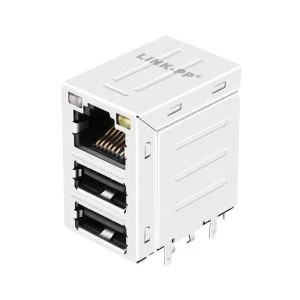
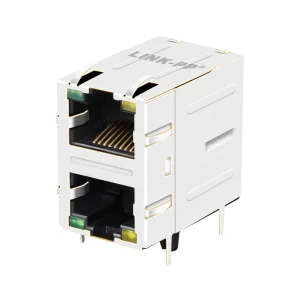
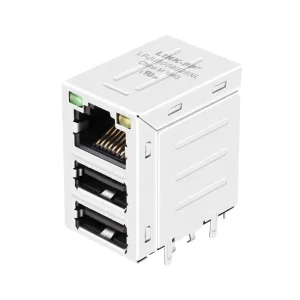
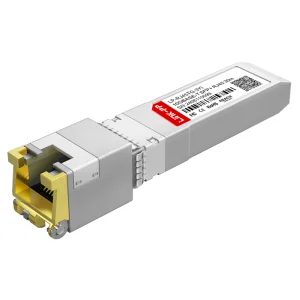
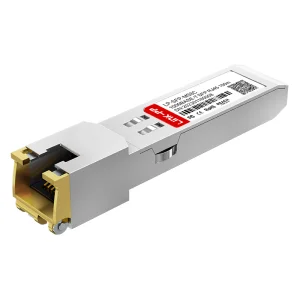
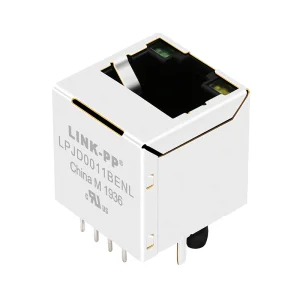
Industrial sites present heavy mechanical vibrations, electromagnetic interference, and chemical atmospheric pollutants. Using dome closures with chemical-resistant silicone gaskets and integrating rugged EMI shielded copper RJ45 modular jacks or optical transceivers guarantees data path continuity in hazardous environments.
What global enterprises look for when selecting long-term manufacturing partners for passive fiber optic gear.
The industry is transitioning toward tool-less mechanical dome closures. Traditional heat-shrink sleeves require gas torches on-site, introducing risk and increasing labor times in tight spaces like manholes. Advanced mechanical closures feature integrated latches, gel seals, and compression rings, reducing deployment times by up to 50% while allowing infinite, non-destructive re-entries for maintenance.
Additionally, green manufacturing initiatives are driving factories to utilize recyclable engineering thermoplastics that retain high mechanical properties without containing harmful toxic additives, complying directly with EU RoHS/REACH directives alongside CE certification.
Global procurement teams (representing telecom operators, network integrators, and large distributors) seek partners that offer verified testing documentation. A standard RFP (Request for Proposal) for dome closures includes criteria such as:
Connecting active optical transceivers and interconnect hardware with robust physical layer protection.
Deltavox Optics Technologies Co., Ltd. is a professional optical communication solutions provider specializing in the design, manufacturing, and global supply of high-performance optical transceivers, fiber optic modules, and networking components. Established in 2016, the company operates from a modern manufacturing facility with a building area of 18,500㎡ and has developed strong expertise in optical communication technologies.
With an annual export revenue of approximately US$18 million, Deltavox Optics has accumulated 7 years of export experience and 12 years of industry experience, serving customers across telecom, data center, enterprise networking, and industrial communication sectors worldwide. The company maintains strict quality management systems and performs comprehensive quality inspections, including automated optical testing, transmission performance verification, temperature cycling tests, aging tests, compatibility testing, and reliability evaluations. A professional quality control team of 56 inspectors ensures every product meets international standards and customer requirements.
Deltavox Optics has extensive experience in international trade and maintains long-term cooperation with global distributors, system integrators, telecom operators, and networking equipment providers. The company’s main markets include North America, Europe, Southeast Asia, the Middle East, and South America. With a strong supply chain network supported by approximately 850 strategic partners, Deltavox Optics provides stable production capacity and efficient delivery solutions.
Its major customer groups include optical communication distributors, data center operators, telecom companies, network equipment manufacturers, and enterprise IT solution providers. The company has a dedicated R&D team focused on optical module innovation, product optimization, and customized communication solutions. Deltavox Optics offers various customization options, including custom wavelengths, transmission distances, package types, firmware configurations, labeling services, and OEM/ODM solutions.
In the past year, Deltavox Optics successfully launched 168 new optical communication products, supported by a professional R&D team of 126 optical engineers and technical specialists. Through continuous innovation, advanced manufacturing capabilities, and strict quality control, Deltavox Optics is committed to delivering reliable optical transceiver solutions for global connectivity networks.

Detailed technical answers to help optical network engineers and procurement teams make informed decisions.
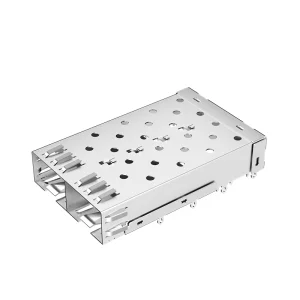
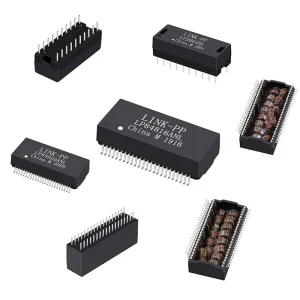
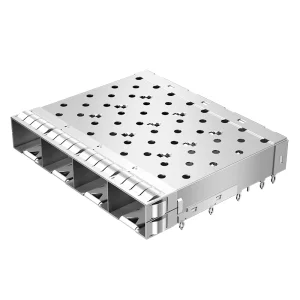
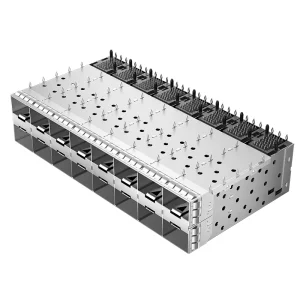
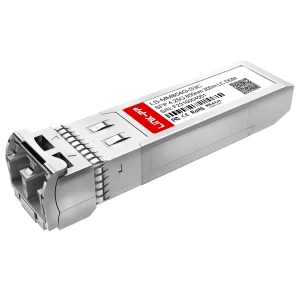
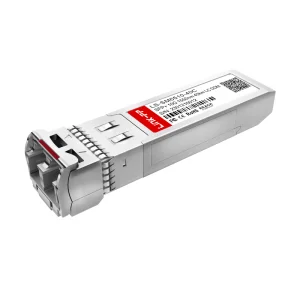
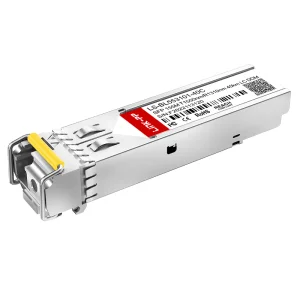
Explore our full line of active optical transceivers and shielding cage assemblies, engineered for maximum deployment resilience.