Deltavox
Deltavox
Deltavox
High-reliability optical transceivers fully tested for local Lisbon subsea landing integrations, metropolitan ethernet switching, and industrial substations.
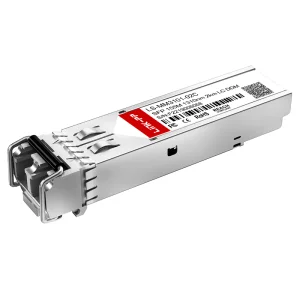
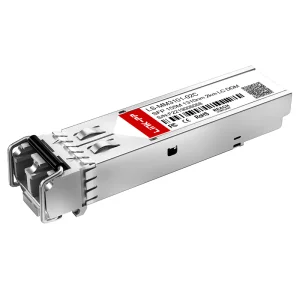
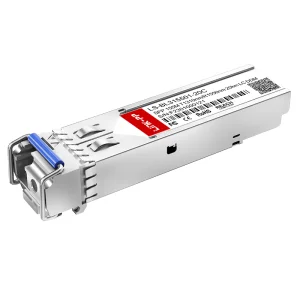
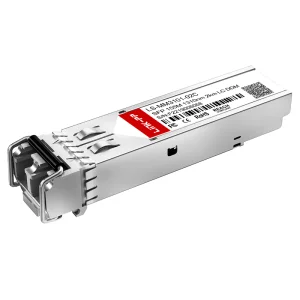
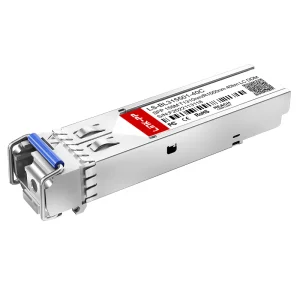
Exploring the strategic imperative for 155M/622M SFP transceivers within Lisbon's shifting digital and maritime communications landscape.
Lisbon, along with the adjacent Sines digital corridor, has rapidly emerged as a critical European gateway for international subsea fiber cables linking South America, North America, and Africa. As these ultra-high-capacity trans-Atlantic lines land, they terminate into complex terrestrial distributions systems. Here, legacy SDH/SONET systems operating at STM-1 (155 Mbps) and STM-4 (622 Mbps) protocols continue to serve as highly resilient, deterministic backhaul solutions. Industrial utilities and government communication channels demand the jitter-free transmission characteristics inherent to these legacy systems.
Portugal’s industrial centers, including the manufacturing hubs around Lisbon and Setúbal, rely heavily on legacy fieldbus-to-fiber media converters and Ethernet switches from brands like Hirschmann, Moxa, and Ruggedcom. These devices run on standard 100BASE-FX or OC-3/STM-1 protocols over 155M SFP channels to isolate communication lines from high-voltage electromagnetic interference (EMI). Moreover, Lisbon's public metro system relies on legacy optical nodes for railway signaling, automated fare collection, and passenger information displays where low bandwidth but maximum physical longevity is required.
Why sourcing reliable 155M/622M optical modules from certified factories is critical for global IT procurement managers.
As the optical network industry shifts its attention to 100G, 400G, and 800G coherent transceivers, global silicon and component manufacturers have systematically deprioritized low-speed optical components. For purchasing managers at system integrators, municipal utility departments, and telecom operators in Lisbon, this presents a severe procurement bottleneck: finding reliable, compatible legacy transceivers that comply with modern EU regulations (like RoHS and WEEE) is increasingly difficult.
Legacy systems do not allow for simple software updates; they require physical physical layer components that perfectly match original parameters like receiver sensitivity, transmitter launch power, and center wavelength. A deviation in a 1310nm FP laser configuration can lead to frame drops, elevated Bit Error Rates (BER), or complete network failure on older legacy switches. Choosing a factory with deep technical heritage in legacy components ensures that your network avoids costly system overhauls and continues to operate smoothly.
An engineering-level overview of low-speed SFP module designs, laser types, and fiber characteristics.
Low-speed SFP (Small Form-factor Pluggable) modules utilize standard Multi-Source Agreement (MSA) footprints but feature specialized optoelectronics to guarantee compatibility with vintage network equipment. Below, we break down the critical technologies utilized in our 155M and 622M transceivers:
For shorter distances (up to 2km on multimode fiber), 1300nm or 1310nm LED or VCSEL sources are common. For medium and long-haul distances (10km to 80km over single-mode fiber), Fabry-Perot (FP) or Distributed Feedback (DFB) lasers operating at 1310nm or 1550nm are deployed. These lasers are designed to maintain narrow spectral widths to minimize chromatic dispersion over extended runs.
Bi-Directional (BiDi) transceivers utilize wavelength division multiplexing (WDM) to transmit and receive signals over a single strand of fiber (Simplex LC). These modules operate in complementary pairs, such as 1310nm-TX/1550nm-RX and 1550nm-TX/1310nm-RX. This technology effectively doubles the capacity of existing fiber backbones in Lisbon without laying new fiber.
Digital Diagnostic Monitoring (DDM), also known as Digital Optical Monitoring (DOM), allows real-time monitoring of key module parameters: laser temperature, optical output power, optical input power (RSSI), transceiver supply voltage, and laser bias current. This allows network administrators to proactively predict failures and locate fiber faults.
A look inside our state-of-the-art production facility, where quality is verified at every step.
Deltavox Optics Technologies Co., Ltd. is a professional optical communication solutions provider specializing in the design, manufacturing, and global supply of high-performance optical transceivers, fiber optic modules, and networking components. Established in 2016, the company operates from a modern manufacturing facility with a building area of 18,500㎡ and has developed strong expertise in optical communication technologies.
With an annual export revenue of approximately US$18 million, Deltavox Optics has accumulated 7 years of export experience and 12 years of industry experience, serving customers across telecom, data center, enterprise networking, and industrial communication sectors worldwide. Our global network is supported by approximately 850 strategic partners, providing stable production capacity and efficient delivery solutions.
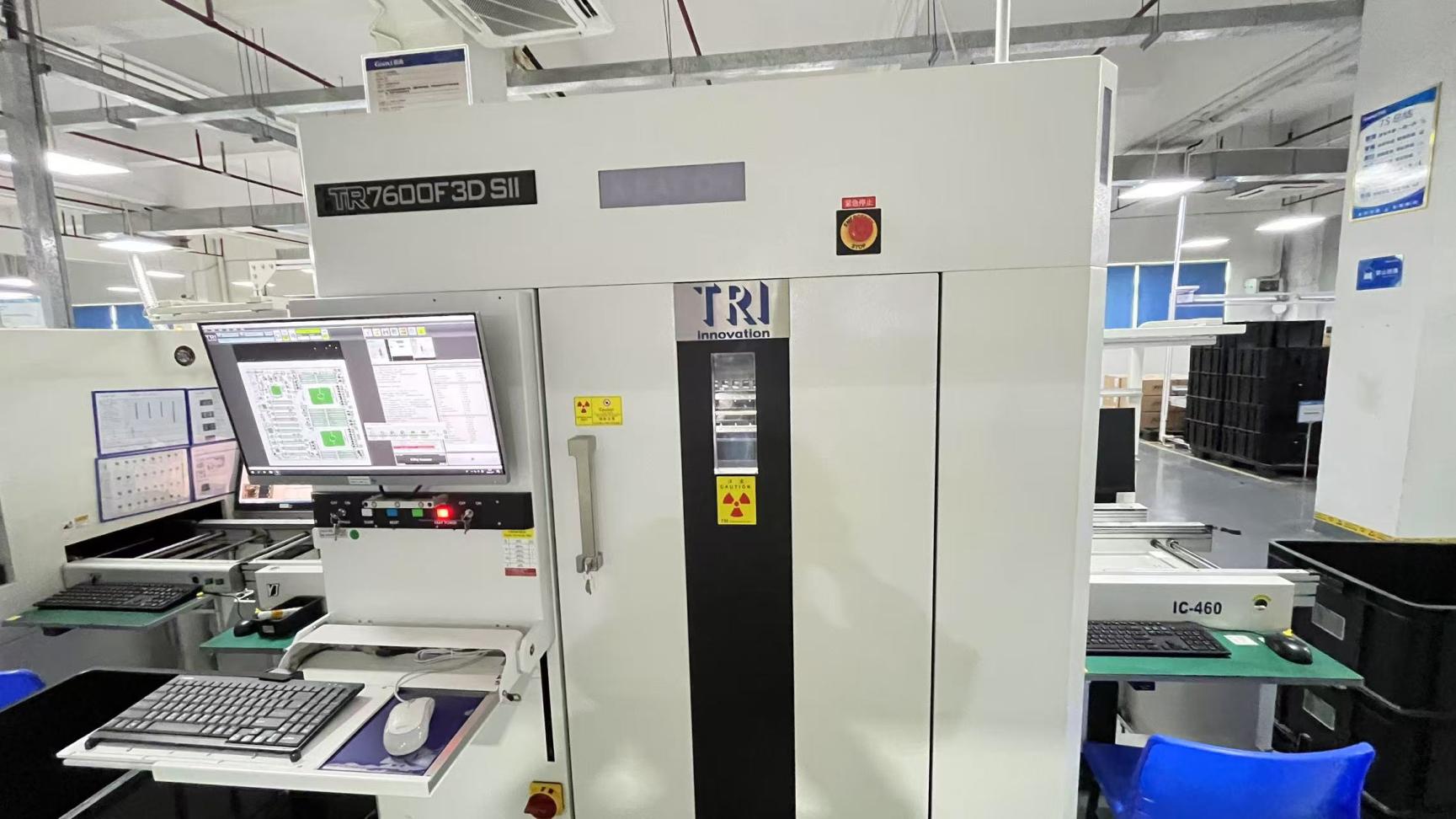
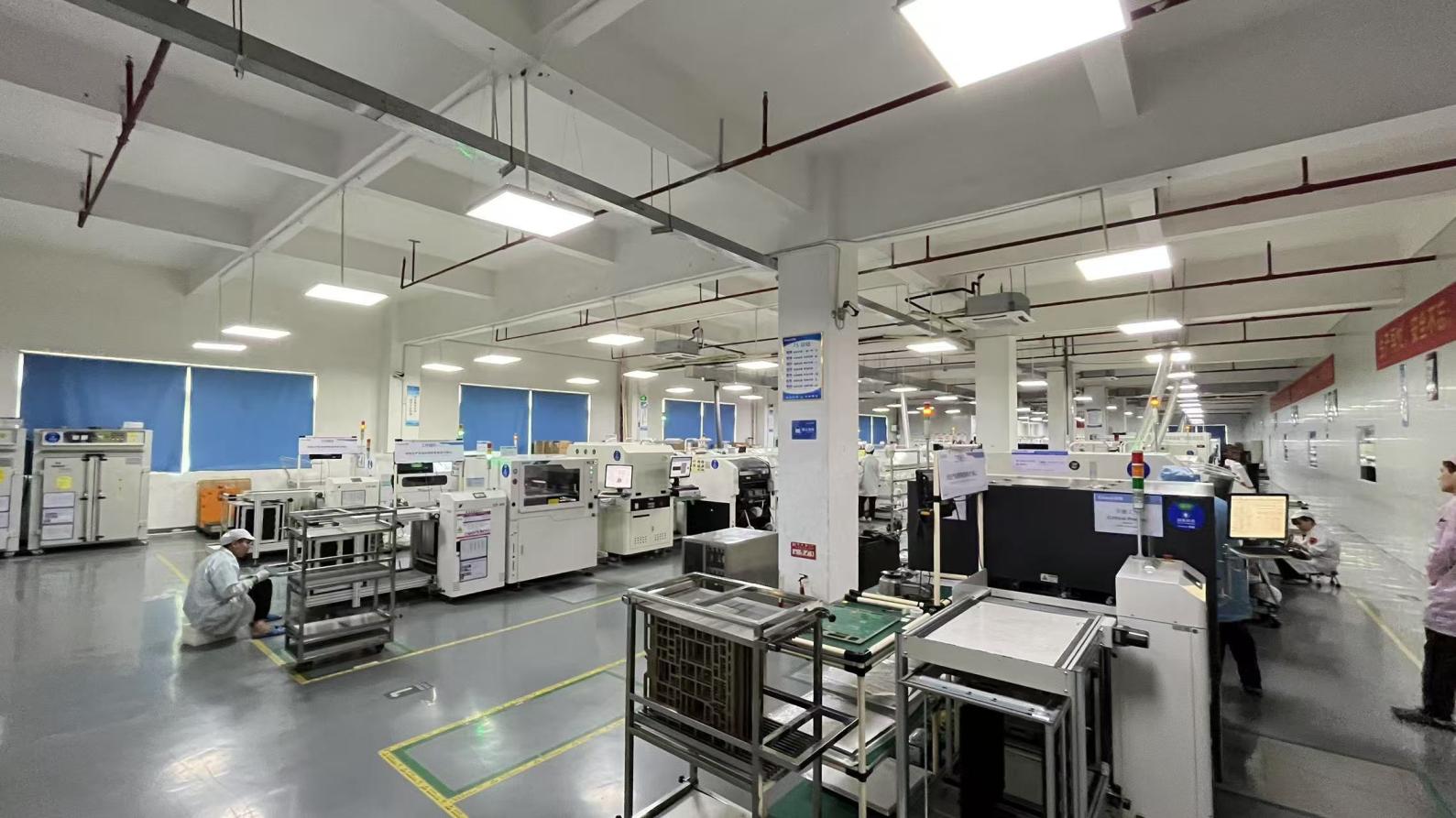
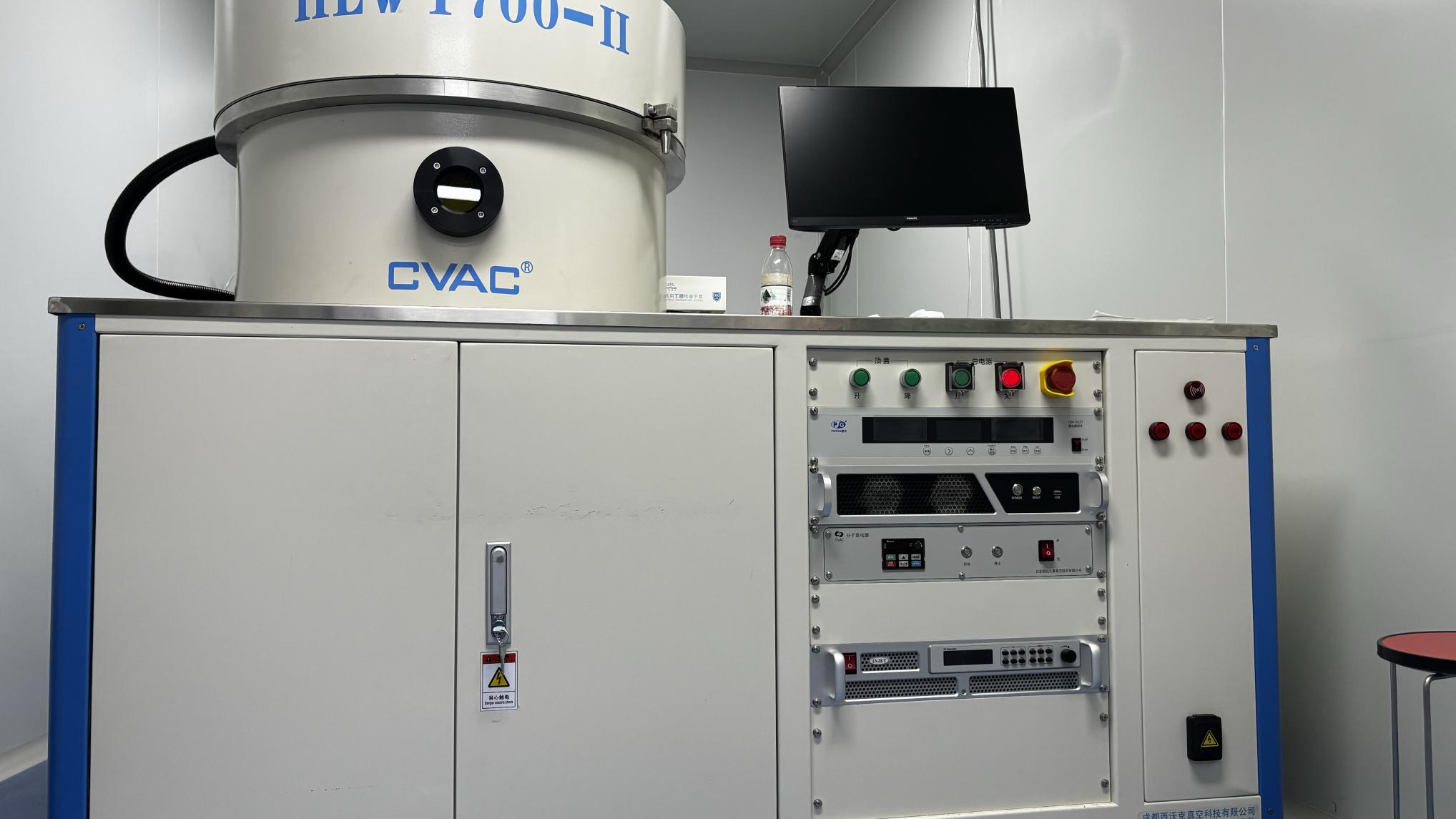
Our quality management systems are built to meet the most demanding international criteria. We perform comprehensive quality inspections, including automated optical testing, transmission performance verification, temperature cycling tests, aging tests, compatibility testing, and reliability evaluations. A professional quality control team of 56 inspectors ensures every product meets international standards and customer requirements.
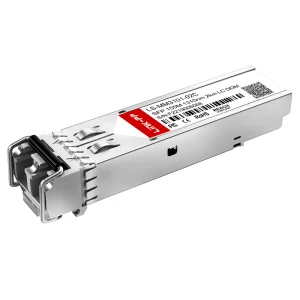
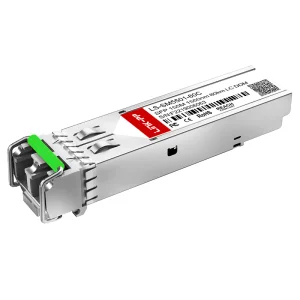
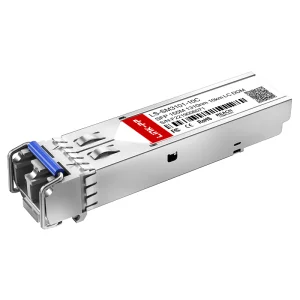
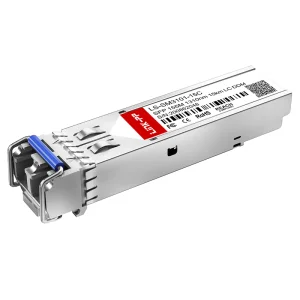
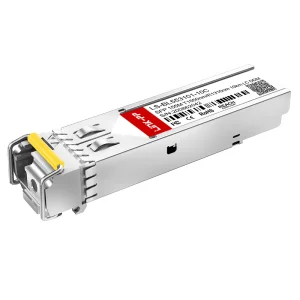
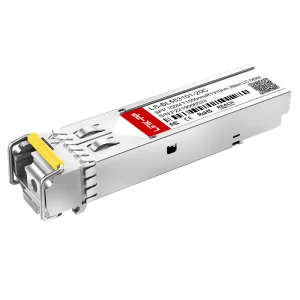
Select from our extensive catalog of MSA-compatible transceivers, utilizing premium optical components for high-reliability networks.
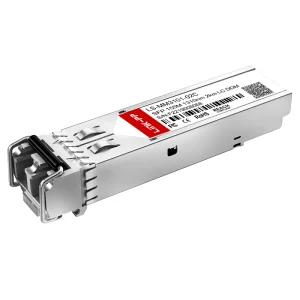
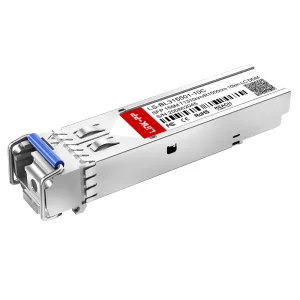
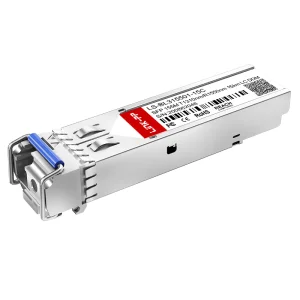
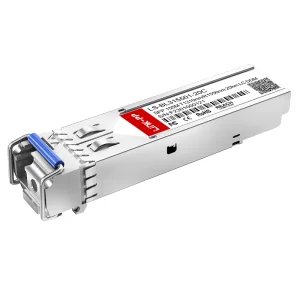
How Deltavox Optics satisfies strict European network performance standards and legal frameworks.
All transceivers shipped to Lisbon and the broader EU market adhere strictly to RoHS (Restriction of Hazardous Substances) and WEEE (Waste Electrical and Electronic Equipment) directives. We ensure our manufacturing processes minimize the use of hazardous substances, offering environmentally sound electronics with reliable end-of-life recycling paths.
Legacy network devices in Lisbon metro switches are often vendor-locked. To resolve this, our engineering team custom-codes the EEPROM memory space of each module with target compatibility profiles (such as Moxa, Hirschmann, Cisco, or Juniper) ensuring plug-and-play functionality and system diagnostics recognition without error alarms.
Leveraging our relationships with major global couriers, we provide fast delivery times directly to Lisbon. With robust logistics partners, we ensure that both small-batch replacements for emergency network maintenance and large deployments for regional utility projects arrive safely and on schedule.
Answers to critical questions regarding compatibility, optical performance, and sourcing legacy networking modules.